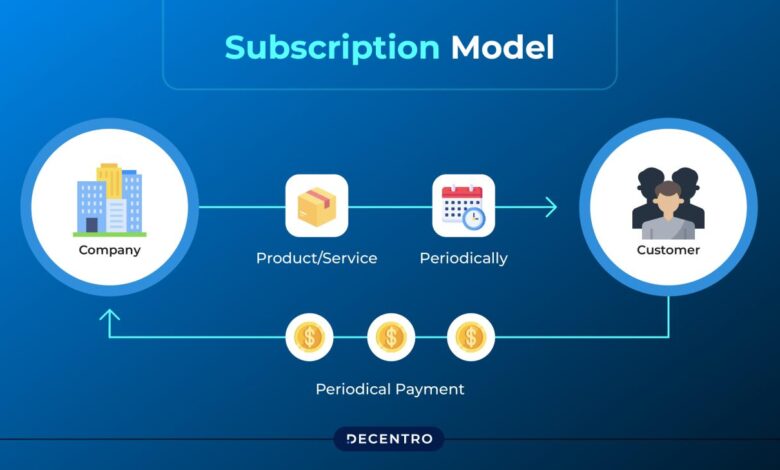

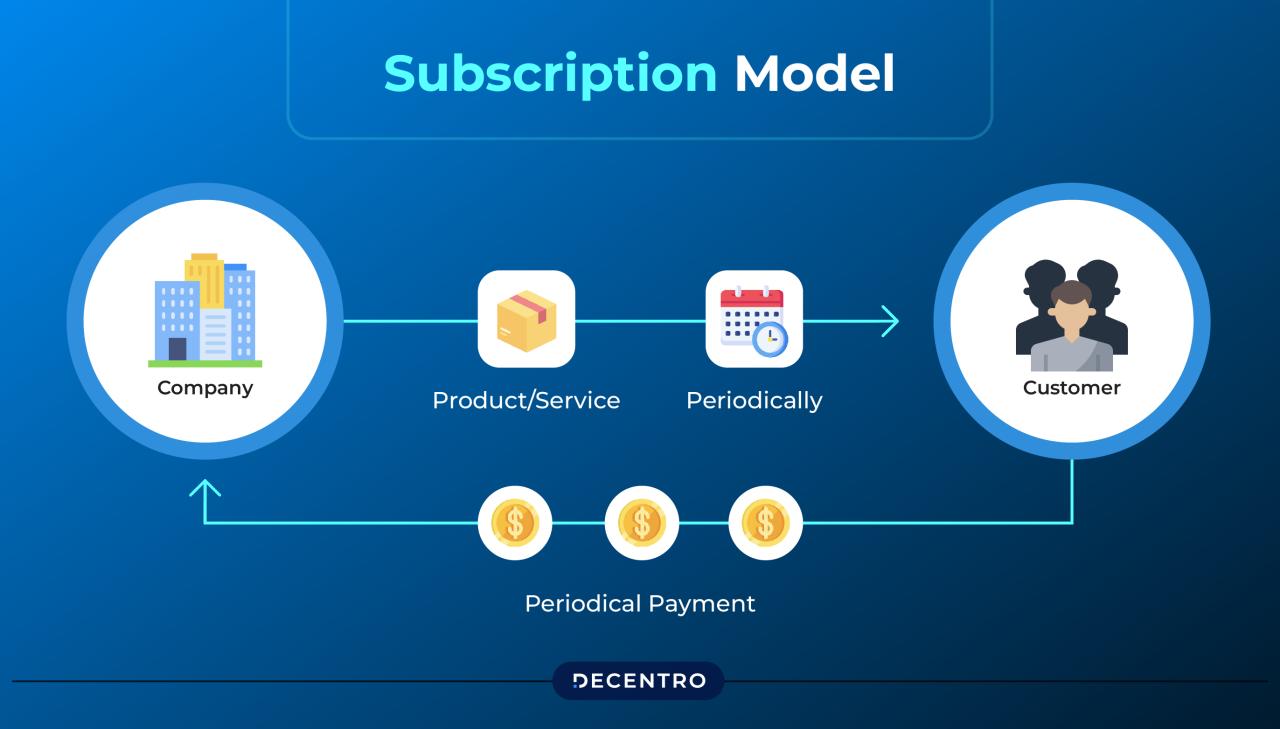
For the past decade, the subscription economy has been the undisputed darling of the business world. From streaming services and software to meal kits and razors, the promise of predictable, recurring revenue has proven irresistible to companies and investors alike. The model promised a golden era: businesses would benefit from stable cash flow and enhanced customer loyalty, while consumers would enjoy convenience and personalized access. However, a profound shift is now underway. The once-booming subscription landscape is showing significant cracks, leading to what industry analysts are calling The Great Subscription Model Reckoning.
This is not the end of subscriptions, but rather a critical maturation point. The era of effortless growth, where consumers willingly signed up for every new service, has conclusively ended. We are now entering a period of contraction and correction, driven by a powerful consumer backlash and fundamental economic pressures. This in-depth analysis will explore the multifaceted causes of this reckoning, examine the specific sectors most at risk, and outline the strategic pivots that companies must make to survive and thrive in the new, more demanding subscription reality.
A. The Roots of Discontent: Why Consumers Are Pushing Back
The initial allure of subscriptions has been overshadowed by a growing sense of fatigue and financial strain among consumers. Several key factors have converged to create this backlash.
A. Subscription Fatigue and Financial Overload:
The average consumer is now bombarded with subscription options for every aspect of their life. A typical household might manage separate subscriptions for video streaming, music, news, cloud storage, software, fitness, and curated product boxes.
-
The Impact: This has led to “subscription sprawl,” where the cumulative cost of these services becomes a significant, burdensome monthly expense. Consumers are no longer evaluating each subscription in isolation but are looking at their total “subscription bill,” leading to difficult cost-benefit analyses and widespread cancellations, a phenomenon often referred to as “churn.”
B. The Aggravation of “Death by a Thousand Cuts”:
The psychological impact of numerous small, recurring payments is profound. Unlike a single, large purchase, these micro-transactions create a constant, low-grade financial drain that feels insidious. The process of managing and canceling these services is often intentionally complex, adding to consumer frustration and resentment.
C. Perceived Value Erosion and Price Inflation:
In an effort to achieve profitability, many subscription services are aggressively raising prices while simultaneously diluting their value proposition.
-
The Impact: Streaming services, for example, are introducing more tiers, cracking down on password sharing, and inserting more advertisements—all while increasing monthly fees. This forces consumers to question what they are actually paying for, leading them to conclude that the value no longer justifies the cost.
D. The Rise of Compelling Alternatives:
The market has adapted, providing consumers with powerful alternatives to perpetual subscriptions.
-
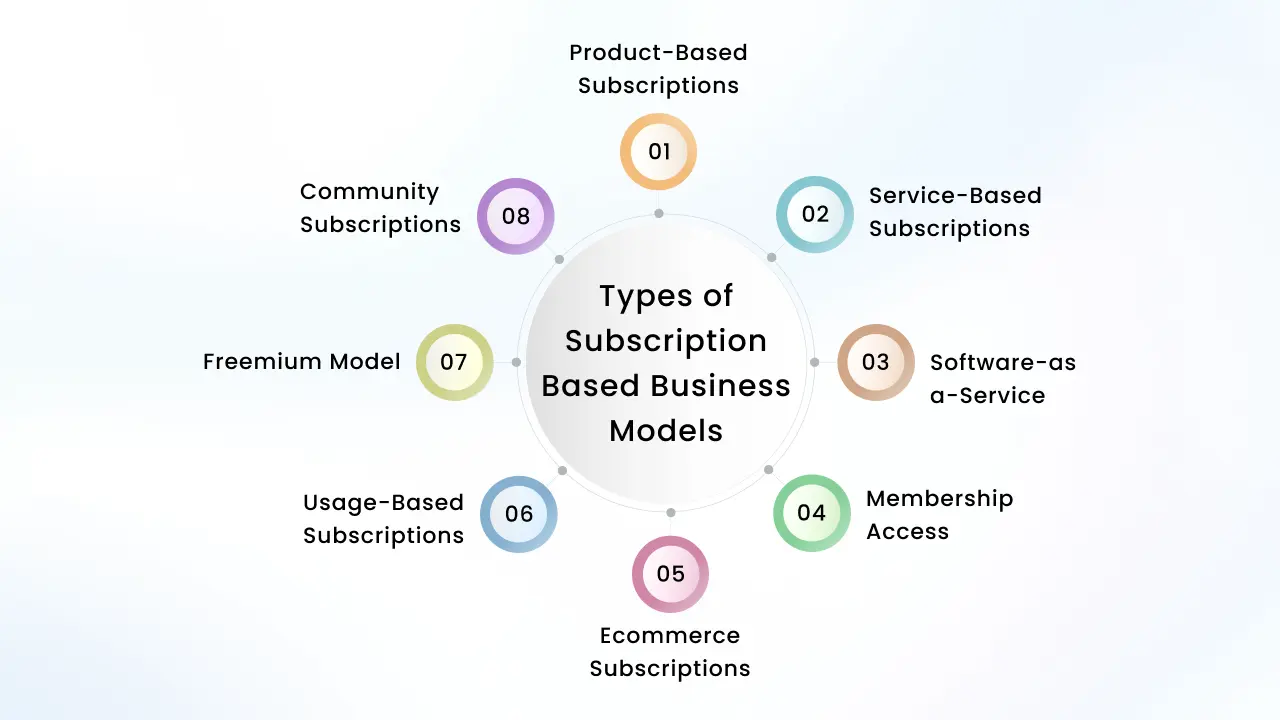
Freemium Models: Many services offer robust free versions that satisfy the needs of casual users.
-
One-Time Purchases: A renewed appreciation for ownership is emerging, especially in software, where perpetual licenses are being demanded.
-
A La Carte Options: Consumers are increasingly favoring platforms that allow them to pay only for what they use, such as digital rentals or single-issue magazine purchases, rather than committing to a full subscription.
B. Sector-Specific Analysis: Where the Cracks Are Widening
The subscription reckoning is not affecting all industries equally. Some sectors are facing existential threats, while others are being forced into significant evolution.
A. Media and Entertainment Streaming Services: The Epicenter of the Crisis
The streaming wars have created a fragmented, expensive landscape that mirrors the old cable TV bundles consumers fled from.
-
The Challenge: To compete with giants like Netflix and Disney+, new entrants spent billions on content, creating a “content arms race.” However, the total addressable market for streaming is finite. The result is a saturated market where consumers are forced to “subscribe roulette”—rotating services monthly to watch specific shows, which destroys stable revenue for the platforms.
-
The Outcome: A wave of consolidation is inevitable. Weaker players will be acquired or fail, and the remaining giants will focus on profitability over subscriber growth at any cost, leading to more price hikes and ad-supported tiers.
B. Software-as-a-Service (SaaS): The Productivity Paradox
The SaaS model revolutionized business software, but it is now facing a corporate backlash.
-
The Challenge: Enterprises are conducting “SaaS audits” and discovering a sprawling, unmanaged ecosystem of departmental subscriptions. This creates massive security vulnerabilities, redundant functionalities, and a staggering total cost of ownership that is often hidden across different budgets.
-
The Outcome: A major push toward vendor consolidation and platformification. Companies are opting for all-in-one suites (like Microsoft 365 or Google Workspace) that offer a bundle of tools for a single price, eliminating the need for dozens of best-of-breed point solutions.
C. Consumer Goods and Curated Boxes: The Novelty Wears Off
The market for subscription boxes for everything from cosmetics to snacks is experiencing a sharp correction.
-
The Challenge: Many of these services were built on novelty rather than lasting utility. Once the initial excitement fades, consumers question the value of receiving a box of semi-curated items they may not need or want. The model is also highly vulnerable to supply chain cost fluctuations.
-
The Outcome: Mass consolidation. Niche players are disappearing, and only the most specialized, high-value, or highly personalized boxes (e.g., for specific medical conditions or serious hobbies) will survive.
D. News and Publishing: The Paywall Dilemma
While subscriptions have been a lifeline for journalism, the model has its limits.
-
The Challenge: The public’s appetite for paying for multiple news sources is low. Most consumers will subscribe to one, perhaps two, major outlets, leaving smaller, local, or specialized publications struggling to convince readers to add another paywalled service to their list.
-
The Outcome: A growing reliance on alternative models, such as membership programs, micropayments for individual articles, and syndication agreements with larger platforms.
C. The Strategic Pivot: Evolving Beyond the Pure Subscription
To endure the reckoning, companies cannot simply continue with business as usual. They must adapt their models to align with new consumer expectations. The future lies in flexibility, transparency, and hybrid approaches.
A. Embracing the Hybrid Model:
The most successful companies will offer a spectrum of choices, moving away from the one-size-fits-all subscription.
-
Implementation:
-
Freemium to Premium: Offer a genuinely useful free tier to attract users, with clear, valuable upgrades to paid plans.
-
Subscription + A La Carte: Allow subscribers to access a base library of content or services, with the option to pay extra for premium releases, features, or products.
-
Tiered Offerings: Create clear, distinct tiers (e.g., Basic, Pro, Enterprise) with tangible, escalating value that justifies the price difference.
-
B. Prioritizing Value and Outcomes Over Access:
The value proposition must shift from “access” to “transformation” or “specific outcome.”
-
Implementation:
-
Focus on Results: A project management software should sell “improved team productivity and on-time project delivery,” not just “access to our tool.”
-
Demonstrate ROI: Provide users with clear data and analytics that show the tangible value they are receiving from the subscription, making the cost feel like an investment, not an expense.
-
C. Building a Community, Not Just a Customer List:
The most powerful defense against churn is a sense of belonging. Subscriptions must evolve into memberships.
-
Implementation:
-
Exclusive Access: Offer members-only events, forums, or content.
-
Co-Creation: Involve your most loyal subscribers in product development and decision-making.
-
Foster Connections: Create platforms for subscribers to connect with each other, transforming the relationship from a company-to-consumer transaction into a peer-to-peer community.
-
D. Implementing Transparent and Flexible Billing:
Companies must eliminate “gotcha” tactics and build trust through billing clarity.
-
Implementation:
-
Pause Options: Allow users to pause their subscriptions during periods of non-use (e.g., summer vacations).
-
Easy Cancellation: Make the cancellation process as simple as the sign-up process. This builds goodwill and leaves the door open for a customer to return.
-
Annual Plans with Savings: Offer a meaningful discount for annual commitments, which improves cash flow for the business and reduces the monthly decision point for the consumer.
-
D. The Future of the Model: Predictions for a Post-Reckoning World
The subscription model will not disappear, but it will look fundamentally different in the coming years.
A. The “Super-App” and Bundling Phenomenon: We will see the rise of “super-subscriptions” that bundle multiple services for a single price. We already see this with telecom companies bundling streaming services, and this will expand into other sectors.
B. The Return of Ownership (Hybrid Digital-Physical): For digital goods, especially creative software and media, we will see a resurgence of “own a license” models alongside subscription options, giving users the choice to pay once for a version of a product they can use indefinitely.
C. Usage-Based Pricing as the Gold Standard: Especially in SaaS and cloud services, pricing based on actual consumption (e.g., per user, per API call, per gigabyte) will become the norm, as it is perceived as the fairest model.
D. Increased Regulatory Scrutiny: Governments are already taking note of predatory subscription practices, particularly around difficult cancellations. We can expect stricter regulations, akin to the EU’s and California’s consumer protection laws, to become more widespread.
Conclusion: From Extraction to Partnership
The great subscription reckoning is a necessary and healthy market correction. It marks the end of a growth-at-all-costs mentality that often prioritized customer acquisition over customer value. The companies that will emerge stronger from this period are those that recognize a fundamental truth: a subscription is not a license to extract recurring revenue, but a ongoing promise to deliver recurring value.
The future belongs to businesses that view their subscribers not as entries in a database, but as partners in a long-term relationship. By offering flexibility, demonstrating undeniable value, and building genuine community, they can transform the subscription model from a source of consumer frustration back into a conduit of unparalleled convenience and value. The crumble is not an end—it is an evolution.
Tags: subscription model, subscription fatigue, SaaS, streaming services, business models, customer retention, recurring revenue, churn rate, subscription box, pricing strategy, consumer behavior, media subscriptions, Netflix, business strategy
Category: Business & Finance