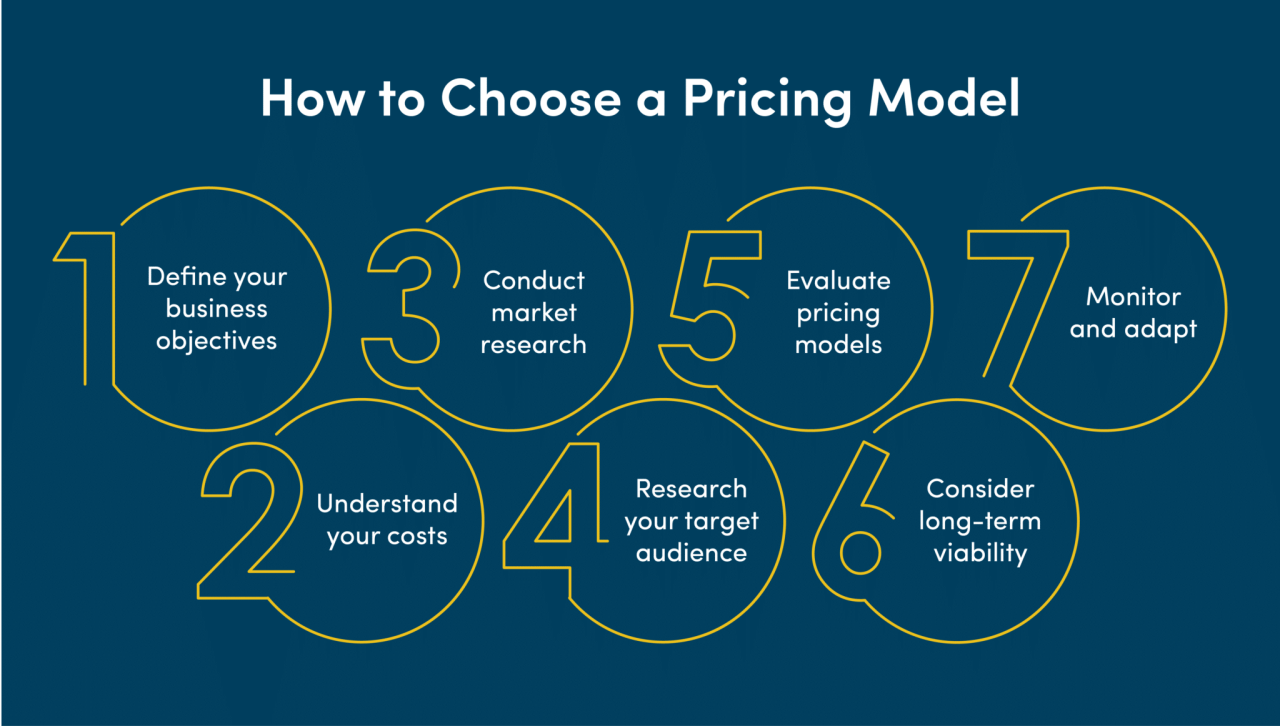
For centuries, the fundamental concept of price has been a relatively static agreement—a number on a tag, representing a compromise between what it costs to produce a product and what a consumer is willing to pay. This traditional model, while simple, is increasingly becoming a relic of a bygone era. In today’s hyper-connected, data-saturated, and experience-driven economy, the very nature of price is undergoing a radical transformation. We are moving from a world of fixed numbers to a dynamic landscape of fluid, personalized, and value-based exchanges.
The future of pricing is not a single, monolithic model but a complex, intelligent, and multi-faceted ecosystem. It is an evolution from a blunt instrument to a sophisticated strategic tool, powered by artificial intelligence, behavioral economics, and a deep understanding of customer psychology. This in-depth exploration will dissect the key forces shaping this future, analyze the emerging pricing models that are redefining industries, and provide a strategic framework for businesses and consumers to not just adapt, but thrive in this new commercial reality.
A. The Catalysts of Change: Forces Reshaping the Pricing Landscape
The shift in pricing paradigms is not happening in a vacuum. It is being driven by a confluence of powerful technological, social, and economic forces that are fundamentally altering the buyer-seller relationship.
A. The Data Deluge and AI Revolution: We are living in the age of Big Data. Every click, scroll, purchase history, social media interaction, and geographic movement generates a data point. Artificial Intelligence and machine learning algorithms can process this vast ocean of information in real-time, identifying patterns, predicting demand, and understanding price sensitivity at an individual level. This capability is the engine behind dynamic and personalized pricing.
B. The Ascendancy of the Subscription Economy: Consumers are increasingly showing a preference for access over ownership. From software (SaaS) and entertainment (Netflix) to cars (subscription services) and groceries, the subscription model is becoming ubiquitous. This shift moves pricing from a one-time transaction to an ongoing relationship, emphasizing customer lifetime value (LTV) over immediate margin.
C. Shifting Consumer Values and Psychology: Modern consumers, especially younger generations, are not solely motivated by the lowest price. They value convenience, personalization, ethical sourcing, sustainability, and unique experiences. This allows businesses to deploy value-based pricing strategies that align the price with the perceived worth and values of the customer, not just the cost of production.
D. Real-Time Connectivity and Transparency: The internet has created a world of perfect price transparency. Consumers can compare prices from dozens of vendors in seconds using their smartphones. This forces businesses to be more competitive and justify their prices with superior value, service, or brand identity. It also enables real-time price adjustments in response to competitor actions.
E. The Demand for Hyper-Personalization: In an era where consumers are served personalized content and advertisements, they now expect a similar level of customization in their commercial interactions. A one-price-fits-all approach feels increasingly archaic. The future lies in pricing that feels tailored to the individual’s circumstances, usage patterns, and willingness to pay.

B. Emerging Pricing Models: A Detailed Analysis of the New Toolkit
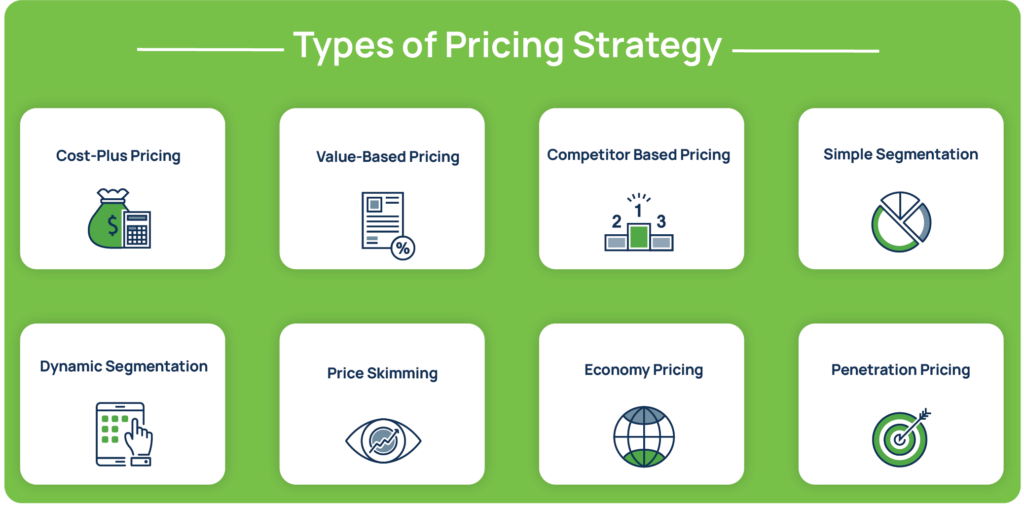
The convergence of the forces above has given rise to a new arsenal of sophisticated pricing strategies. Understanding these models is crucial for any forward-thinking business.
A. Dynamic and Personalized Pricing: The End of the Fixed Price
This model involves adjusting prices frequently based on real-time supply and demand, competitor pricing, and individual customer data.
-
How it Works: Algorithms analyze factors like time of day, inventory levels, a user’s browsing history, location, and even device type to present an optimized price. Airlines and ride-sharing services like Uber are classic examples.
-
Business Implications: Maximizes revenue by capturing consumer surplus—charging each customer close to their maximum willingness to pay. It improves inventory management and competitive positioning.
-
Consumer Impact: Can lead to perceived fairness issues (“price gouging”) and a sense of being constantly monitored. Transparency is key to maintaining trust.
-
Future Outlook: This will become the default for many online and service-based industries, becoming more nuanced and predictive.
B. Freemium Models: Building a User Base and Monetizing Power Users
This strategy offers a basic product or service for free, while charging a premium for advanced features, functionality, or virtual goods.
-
How it Works: Popularized by software and app companies (Spotify, LinkedIn), the free tier acts as a massive lead-generation tool, removing the barrier to entry. A small percentage of users then convert to paying customers.
-
Business Implications: Excellent for rapid user acquisition and network effects. The challenge is designing the feature gap between free and paid tiers to be enticing but not frustrating.
-
Consumer Impact: Provides low-risk access to a product, allowing users to experience its core value before committing financially.
-
Future Outlook: The freemium model will expand beyond software into new sectors, including education, financial services, and even physical products with digital services attached.
C. Value-Based Pricing: Aligning Price with Perceived Worth
This customer-centric approach sets prices primarily on the perceived or estimated value of a product or service to the customer, rather than its cost or historical market price.
-
How it Works: It requires a deep understanding of the customer’s business case or personal goals. For example, a marketing automation platform might price its services based on the leads or revenue it generates for the client.
-
Business Implications: Allows for capturing a fair share of the value created, often leading to higher margins and stronger customer relationships built on shared success.
-
Consumer Impact: Customers feel the price is more justified because it is directly linked to the outcomes they care about. It shifts the conversation from cost to ROI.
-
Future Outlook: As products become more complex and solution-oriented, value-based pricing will become the gold standard for B2B and high-value B2C transactions.
D. Subscription and Membership Models: The Gateway to Recurring Revenue
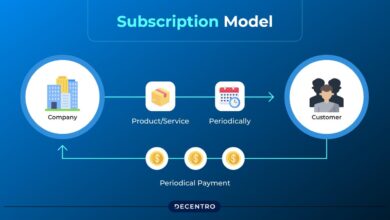
This model charges a recurring fee at regular intervals (monthly, annually) to grant ongoing access to a product or service.
-
How it Works: It transforms a business from a series of one-off transactions into a stable, predictable revenue stream. It fosters a long-term relationship and focuses the company on customer retention and satisfaction.
-
Business Implications: Improves financial forecasting and increases customer lifetime value. It also creates a continuous feedback loop for product improvement.
-
Consumer Impact: Offers predictability in billing and convenience. However, “subscription fatigue” is a growing concern as consumers accumulate numerous monthly payments.
-
Future Outlook: We will see the rise of “super-subscriptions” that bundle various services (e.g., Amazon Prime) and the expansion of subscriptions into unexpected areas like furniture, clothing, and cars.
E. Usage-Based (Pay-As-You-Go) Pricing: Paying for What You Consume
This model ties the cost directly to the level of consumption or usage. The customer pays for the units they use, and nothing more.
-
How it Works: Common in utilities (electricity) and cloud computing services (AWS, Google Cloud), where customers pay for storage, bandwidth, or compute cycles used.
-
Business Implications: Attracts customers with low initial costs and scales seamlessly with their growth. It requires robust metering and billing systems.
-
Consumer Impact: Highly fair and flexible, as costs align directly with value received. It eliminates the risk of overpaying for unused capacity.
-
Future Outlook: The Internet of Things (IoT) will propel this model into new frontiers, with connected devices enabling micro-transactions for everything from printer ink by the page to car insurance by the mile.
F. Ethical and Fair-Trade Pricing: The Value of Values
This strategy explicitly incorporates social and environmental costs into the price, ensuring fair wages for producers and sustainable practices.
-
How it Works: Companies like Patagonia and Fair Trade Certified brands build their brand identity around transparency and ethical sourcing, justifying a premium price to a segment of consumers who share these values.
-
Business Implications: Builds immense brand loyalty and trust, creating a powerful competitive moat. It can also de-commoditize a product.
-
Consumer Impact: Allows consumers to “vote with their wallets” and support causes they believe in, making the purchase itself a values-driven act.
-
Future Outlook: As consumer awareness around climate change and social justice grows, ethical pricing will shift from a niche differentiator to a mainstream expectation.
C. The Psychological and Ethical Dimensions of Future Pricing
With great pricing power comes great responsibility. The advanced models of the future raise significant psychological and ethical questions that businesses must navigate carefully.
A. The Perception of Fairness: Dynamic pricing can easily be perceived as discriminatory or exploitative. A classic example is surge pricing during a natural disaster. Businesses must establish clear, communicated rules for their pricing algorithms to maintain consumer trust. Transparency about why a price is what it is will be a critical component of brand integrity.
B. Data Privacy and the “Creepiness” Factor: Personalized pricing relies on collecting vast amounts of personal data. There is a fine line between a helpful discount and a creepy intrusion. Consumers may react negatively if they feel their digital footprint is being used against them. Adhering to strict data privacy regulations (like GDPR and CCPA) and being transparent about data usage is non-negotiable.
C. Algorithmic Bias and Discrimination: AI systems are only as unbiased as the data they are trained on. If historical data contains societal biases (e.g., based on zip code correlating with demographics), the algorithm could inadvertently perpetuate or even amplify price discrimination. Continuous auditing of AI decision-making for fairness is essential.
D. Combatting Subscription Fatigue: As the subscription model proliferates, consumers are becoming overwhelmed by the cumulative cost and mental burden of managing multiple recurring payments. The future will belong to services that provide undeniable, continuous value and offer flexible, easy-to-manage cancellation policies.
D. A Strategic Framework for Implementing Future-Ready Pricing
Adopting a new pricing model is a strategic endeavor, not just a tactical change. Here is a framework for businesses to navigate this transition.
A. Deeply Understand Your Customer’s Value Driver: You cannot implement value-based pricing without knowing what your customer truly values. Conduct in-depth interviews, analyze customer data, and map the customer journey to identify their key pain points and desired outcomes.
B. Audit Your Data and Technology Infrastructure: Assess your capability to collect, process, and analyze data. Do you have the CRM, analytics, and potentially AI tools needed to support dynamic or personalized pricing? Investing in the right tech stack is a prerequisite.
C. Start with a Pilot Program: Instead of a full-scale overhaul, test a new pricing model with a specific customer segment, product line, or geographic region. Use A/B testing to measure the impact on conversion rates, revenue, and customer satisfaction.
D. Communicate Value, Not Just Price: The most sophisticated pricing model will fail if the value is not effectively communicated. Your marketing and sales teams must be equipped to articulate why the price is set at a certain level, focusing on the benefits, outcomes, and values it represents.
E. Foster a Culture of Pricing Agility: Pricing can no longer be a “set it and forget it” function managed solely by the finance department. It must be a cross-functional, strategic priority involving marketing, sales, product development, and customer service, with a willingness to test, learn, and adapt.
E. The Consumer’s Guide to Navigating the New Pricing World
The future of pricing is not just a business challenge; it is a new reality for consumers. To navigate it successfully, individuals must become more savvy and proactive.
A. Embrace Price Comparison Tools: Use browser extensions and websites that track price history and compare prices across retailers. This is your best defense against dynamic pricing fluctuations.
B. Understand the True Cost of Subscriptions: Regularly audit your recurring subscriptions. Are you still getting value from each one? Many services offer annual plans that can provide significant savings over monthly billing.
C. Leverage Your Data for Personalization: If companies are going to use your data, use it to your advantage. Engage with brands, sign up for newsletters, and leave items in your cart to potentially trigger personalized discount offers.
D. Value Your Values: Support companies whose pricing and business practices align with your ethical beliefs. Your purchasing power is a powerful tool for shaping a more equitable marketplace.
Conclusion: Price as a Dynamic Conversation
The future of pricing is a departure from a static number and an evolution into a dynamic, ongoing conversation between businesses and consumers. It is a conversation mediated by data, powered by AI, and grounded in a deeper, more nuanced understanding of value. For businesses, the companies that will succeed are those that view pricing not as a mere number on a tag, but as a core component of their value proposition and customer experience strategy. They will be the ones who use these advanced tools with transparency, fairness, and a relentless focus on delivering undeniable value.
For consumers, the future requires a new level of awareness and engagement. The passive acceptance of a fixed price is over. The new era demands active participation, informed decision-making, and an understanding that price is now a fluid reflection of context, value, and choice. In this new world, the most successful transactions will be those where both the business and the consumer feel the price is not just paid, but earned and justified—a true exchange of value in a rapidly evolving marketplace.
Tags: future of pricing, dynamic pricing, pricing strategies, value-based pricing, subscription model, freemium model, personalized pricing, AI in business, pricing psychology, consumer behavior, business models, revenue optimization, ethical pricing, pay-as-you-go
Category: Business Strategy