
For decades, sustainability was largely viewed as a corporate social responsibility (CSR) initiative—a “nice-to-have” program that was often the first to be cut during economic downturns. It was perceived as a cost center, a philanthropic endeavor that stood separate from the core, profit-driven engine of a business. This perspective is not just outdated; it is now dangerously myopic. In the 21st-century global marketplace, sustainability has undergone a profound metamorphosis. It is no longer a peripheral activity but a central, strategic imperative. It has evolved from a mere sword for competitive advantage into a multifaceted shield that protects the business from a vast array of modern risks while simultaneously unlocking unprecedented value.
This article will deconstruct the powerful concept of “Sustainability as Your Shield.” We will explore how integrating genuine, measurable sustainability principles into the DNA of your operations creates a resilient buffer against regulatory, financial, reputational, and supply chain threats. Furthermore, we will provide a detailed blueprint for how businesses of all sizes can forge this shield, transforming a defensive strategy into their greatest offensive weapon for long-term growth and market leadership.
A. Deconstructing the Shield: The Multilayered Protection of Sustainability
The protective power of sustainability is not monolithic; it is a composite defense system, with each layer guarding against a specific category of business risk.
A. The Regulatory and Legal Shield:
Governments worldwide are enacting increasingly stringent environmental regulations, from carbon pricing mechanisms and emissions caps to extended producer responsibility (EPR) laws and plastic taxes. Companies that have already embedded sustainable practices are not scrambling to comply; they are already ahead of the curve.
-
How it Works: Proactive sustainability acts as a buffer against future compliance costs. A company that has already decarbonized its operations or designed products for circularity will face minimal disruption and cost when new laws take effect. Conversely, laggard companies face steep fines, legal battles, and costly, rushed retrofits to their supply chains.
B. The Financial and Investment Shield:
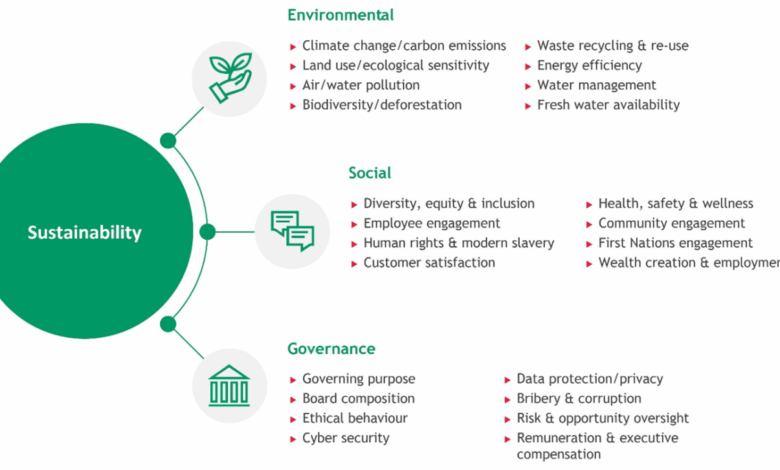
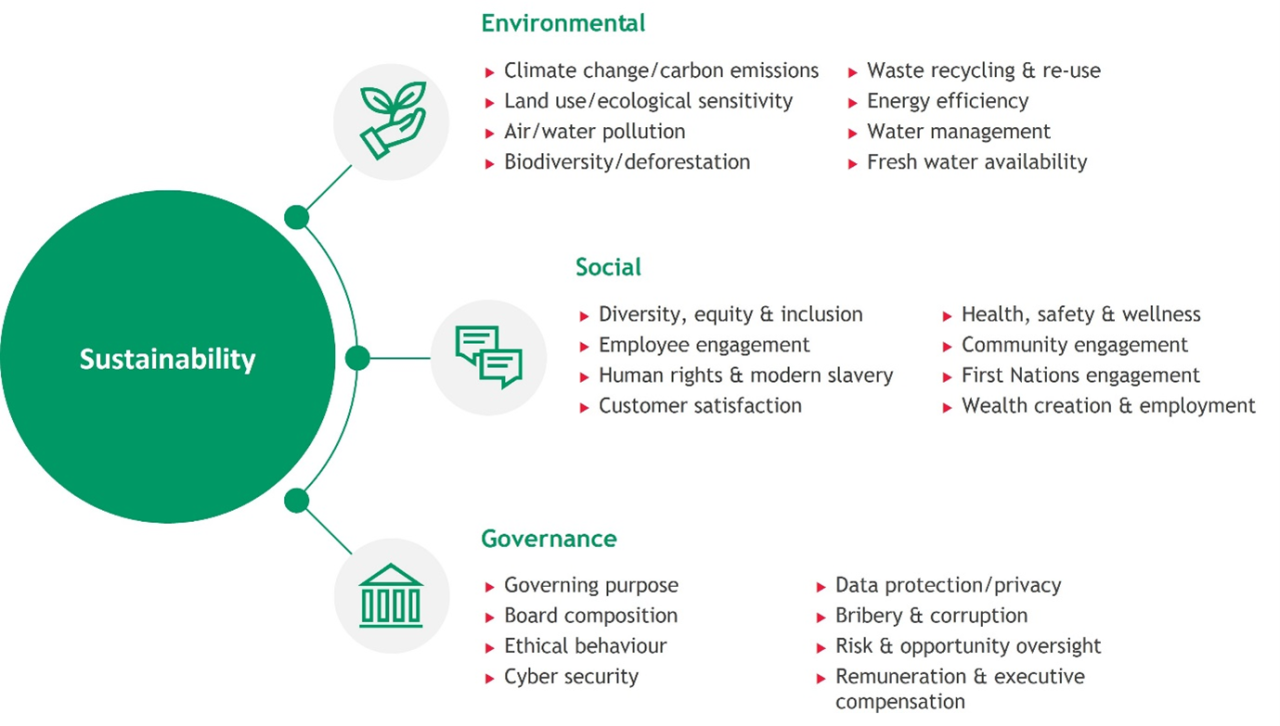
The global financial system is rapidly reallocating capital based on sustainability performance. Trillions of dollars are now managed according to ESG (Environmental, Social, and Governance) criteria.
-
How it Works: A strong sustainability profile shields a company from capital drought. It attracts investment from ESG-focused funds, secures lower interest rates on “green loans,” and reduces insurance premiums. It also mitigates risks associated with stranded assets—investments in fossil-fuel-dependent infrastructure that may become obsolete or devalued in a low-carbon economy.
C. The Reputational and Brand Shield:
In an age of social media and heightened consumer awareness, a company’s reputation is its most fragile asset. Scandals related to pollution, labor exploitation, or greenwashing can destroy brand value built over decades in a matter of hours.
-
How it Works: Authentic sustainability builds a reservoir of public trust. When a company is known for its genuine commitment to ethical sourcing, fair labor practices, and environmental stewardship, it earns a “license to operate” from its customers, employees, and the communities it serves. This goodwill acts as a critical shield, providing resilience during a crisis that would cripple a less-trusted competitor.
D. The Supply Chain and Operational Shield:
Climate change is introducing unprecedented volatility into global supply chains, manifesting as droughts disrupting agricultural production, floods shutting down ports, or heatwaves straining energy grids.
-
How it Works: Sustainable practices inherently build operational resilience. A company that has diversified its energy sources with renewables is shielded from fossil fuel price spikes. A business that sources materials locally or uses recycled content is less vulnerable to global logistics disruptions. Resource efficiency (less water, less waste, less energy) directly translates to lower operational costs and reduced exposure to resource scarcity.
E. The Talent and Innovation Shield:
The war for top talent is fierce, and the modern workforce, particularly Millennials and Gen Z, prioritizes purpose alongside paycheck. They want to work for companies that reflect their values.
-
How it Works: A compelling sustainability mission acts as a powerful talent magnet and retention tool. It shields the company from brain drain, ensuring it attracts innovators and leaders who are motivated to solve complex challenges. This culture of purpose naturally fosters innovation, leading to the development of new, sustainable products and services that open up untapped markets.

B. Forging the Shield: A Blueprint for Integration
Building this protective shield requires moving beyond superficial greenwashing to deep, systemic integration. It is a journey that can be broken down into a strategic framework.
A. Conduct a Materiality Assessment: The Foundation
You cannot protect against every potential risk. A materiality assessment is a formal process to identify and prioritize the ESG issues that matter most to your business and your stakeholders.
-
Actionable Steps:
-
Identify Stakeholders: Map out key groups (investors, customers, employees, regulators, communities).
-
Gather Data: Use surveys, interviews, and benchmark analysis to understand their concerns.
-
Plot and Prioritize: Create a matrix that plots issues based on their importance to stakeholders and their impact on your business. Focus your efforts on the high-priority, high-impact quadrants.
-
B. Embed Sustainability in Core Operations and Product Design:
This is where the shield is tempered. Sustainability must be integrated into the daily life of the company, from the factory floor to the R&D lab.
-
Actionable Steps:
-
Embrace Circular Economy Principles: Shift from a “take-make-waste” model to a circular one. Design products for durability, repairability, and disassembly. Implement take-back programs and use recycled or bio-based materials.
-
Decarbonize the Value Chain: Set science-based targets (SBTi) for emissions reduction. Focus not just on your direct operations (Scope 1 & 2 emissions) but also on the much larger footprint of your supply chain (Scope 3).
-
Implement Green Chemistry and Clean Technology: Redesign manufacturing processes to eliminate toxic inputs, reduce waste, and improve energy efficiency.
-
C. Leverage Technology and Data for Transparency:
A shield is only as strong as the material it’s made from. In sustainability, that material is data. You cannot manage what you cannot measure.
-
Actionable Steps:
-
Deploy IoT Sensors: Use sensors to track real-time energy consumption, water usage, and waste generation in your facilities.
-
Utilize Blockchain for Traceability: For complex supply chains (e.g., food, fashion, minerals), blockchain can create an immutable record of a product’s journey, verifying claims of ethical sourcing and organic certification.
-
Invest in ESG Management Software: Platforms like Persefoni, Watershed, and Salesforce Net Zero Cloud help automate data collection, calculate carbon footprints, and generate reports for stakeholders.
-
D. Foster a Culture of Regenerative Leadership:
The shield must be held by everyone in the organization. This requires a shift in leadership mindset from “doing less harm” to “doing more good”—a regenerative approach.
-
Actionable Steps:
-
Incentivize Sustainability: Tie executive compensation and employee bonuses to the achievement of sustainability KPIs.
-
Empower Green Teams: Create cross-functional employee groups tasked with identifying and implementing sustainability improvements.
-
Communicate Progress Transparently: Publish an annual sustainability report, acknowledging both successes and failures. Honesty builds credibility and trust.
-
C. Case Studies: The Shield in Action
To understand the theory in practice, consider these real-world examples:
A. Patagonia: The Reputational and Loyalty Shield
The outdoor apparel company’s infamous “Don’t Buy This Jacket” ad and its commitment to repairing gear have built an unshakable brand loyalty. When Patagonia’s founder, Yvon Chouinard, transferred ownership to a trust dedicated to fighting the environmental crisis, it was the ultimate activation of its sustainability shield, cementing its reputation for generations and inspiring fierce customer and employee devotion.
B. Ørsted: The Strategic Transformation Shield
The Danish energy company, formerly known as DONG Energy (Danish Oil and Natural Gas), executed one of the most dramatic corporate transformations in history. It shifted its entire business model from fossil fuels to renewable energy, becoming the world’s leading offshore wind developer. This strategic pivot shielded it from the volatility of oil and gas markets, future-proofed its business against climate regulation, and positioned it as a leader in the global energy transition.
C. Unilever: The Supply Chain and Growth Shield
Through its “Sustainable Living Plan,” Unilever worked directly with smallholder farmers in its supply chain to improve agricultural practices. This not only shielded the company from the risks of commodity price fluctuations and crop failures but also secured its supply of raw materials, ensuring long-term growth for brands like Knorr and Ben & Jerry’s.
D. Navigating the Pitfalls: Greenwashing and Other Perils
The path to building a sustainability shield is fraught with challenges. The most significant is the risk of greenwashing—making misleading or unsubstantiated claims about the environmental benefits of a product or service.
A. The Dangers of Greenwashing: When a company is exposed for greenwashing, the very shield it was trying to build shatters, becoming a liability. The reputational damage, consumer backlash, and regulatory scrutiny can be severe and long-lasting.
B. How to Avoid It:
-
Be Specific and Substantiated: Avoid vague terms like “eco-friendly.” Use precise language and data to back up claims (e.g., “This product contains 50% recycled content certified by SCS Global Services”).
-
Focus on Significant Efforts: Don’t highlight a minor green initiative while your core business remains environmentally destructive.
-
Embrace Third-Party Verification: Seek certifications from reputable organizations like B Corp, Fair Trade, Cradle to Cradle, or LEED to add independent credibility to your claims.
Conclusion: From Defensive Posture to Market Leadership
The business case for sustainability is now irrefutable. It is a powerful, multi-layered shield that protects against the defining risks of our time: regulatory upheaval, financial instability, reputational collapse, and supply chain disruption. However, its ultimate value is not merely defensive.
A company that has successfully forged this shield discovers that it is also its most potent weapon. It unlocks operational efficiencies, attracts the best talent, inspires breakthrough innovation, and builds deep, trust-based relationships with customers. In the end, sustainability does not just protect the business from the world; it positions the business to lead the world. The question for modern leaders is no longer if they can afford to invest in sustainability, but how they can possibly afford not to.
Tags: sustainability strategy, ESG, corporate responsibility, business resilience, green business, circular economy, sustainable supply chain, climate action, regenerative business, greenwashing, corporate governance, sustainable innovation, responsible sourcing, ESG investing
Category: Business & Strategy