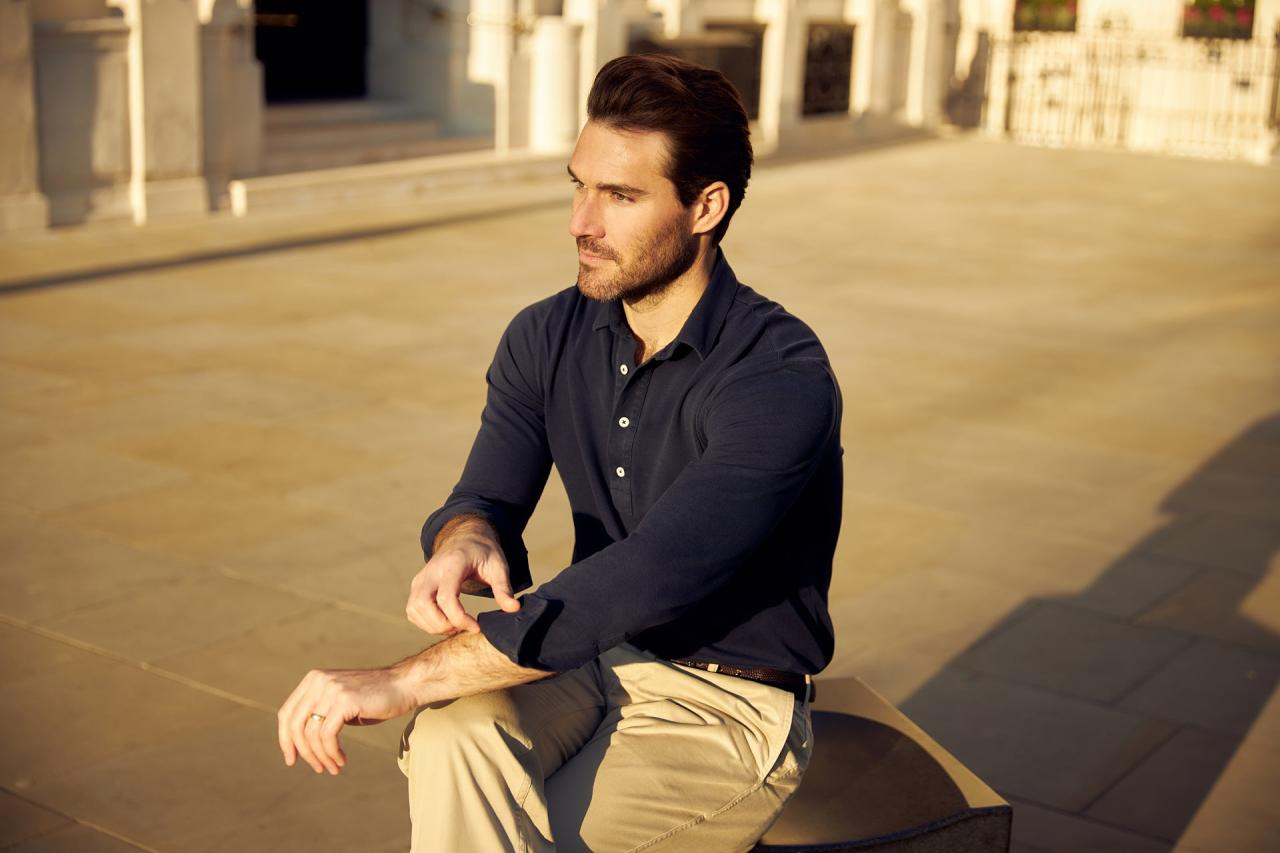
In a world saturated with logos, bold monograms, and conspicuous consumption, a powerful counter-movement is redefining what it means to be truly affluent. This philosophy, known as “Quiet Luxury,” “Stealth Wealth,” or “Old Money Aesthetic,” is not merely a fleeting trend but a profound shift in the values of high-net-worth individuals. It is the art of signaling refinement and status not through branded exteriors, but through an uncompromising commitment to quality, craftsmanship, and understated elegance.
Quiet luxury is the sartorial equivalent of speaking in a measured, confident tone rather than shouting. It is a language understood by a discerning few, built on the principle that true wealth is quiet, and the loudest person in the room is often the least secure. This comprehensive guide will dissect the origins of this movement, decode its fundamental principles, and provide a masterclass in how to cultivate a personal aesthetic that is both profoundly luxurious and intentionally discreet.
A. The Philosophical Foundation: What is Quiet Luxury?
At its core, quiet luxury is an ethos. It is a rejection of the “peacocking” that defined luxury in the late 20th and early 21st centuries, where status was communicated through instantly recognizable, logo-heavy items from heritage brands. Instead, it embraces a more intellectual and personal approach to consumption.
A. The Rejection of Logos: The most visible tenet of quiet luxury is the near-complete absence of overt branding. The value of an item is not in its external signaling but in its intrinsic qualities. The focus shifts from who made it to how it was made and what it is made from.
B. An Investment in Permanence: Quiet luxury is inherently anti-fast fashion and anti-trend. It champions the concept of “buy less, but buy better.” Each purchase is considered a long-term investment in an item that will not only last for years or decades but will also improve with age, developing a unique patina and character.
C. The Cult of Craftsmanship: This philosophy venerates the skill of the artisan. It appreciates the hours of hand-stitching, the precision of a master tailor, the innovation in technical fabric, and the story behind a family-owned mill that has produced the world’s finest cashmere for generations. The luxury is in the details known only to the wearer.
D. Confidence Over Validation: Wearing quiet luxury requires a deep-seated self-assurance. The satisfaction comes from the personal appreciation of exquisite materials and perfect fit, not from the compliments or recognition of others. It is a style for oneself, not for the crowd.
B. The Cultural Catalysts: Why Now?
The ascendancy of quiet luxury is not an accident. It is a direct response to several cultural and economic shifts.
A. The “Old Money” vs. “New Money” Narrative: Popular culture, through shows like Succession and films like The Crown, has glamorized the aesthetic of established, inherited wealth. This “old money” style is portrayed as one of subtlety and tradition, starkly contrasting with the flashier “new money” stereotype. This has trickled down into mainstream consumer aspirations.
B. Economic Uncertainty and Discreet Displays: In times of economic volatility or social inequality, overt displays of wealth can be perceived as tone-deaf or even risky. Quiet luxury offers a way for the affluent to navigate their social environment with discretion, avoiding unwanted attention while maintaining their standards of living.
C. Saturation of Logo-Manía: The market became flooded with counterfeit goods and the democratization of luxury logos through aggressive marketing. When everyone carries a version of a branded bag, its power to signify true status diminishes. The elite, therefore, sought new, more exclusive ways to differentiate themselves.
D. The Rise of Mindful Consumption: A growing awareness of environmental issues and unethical labor practices has led many consumers to seek out brands that align with their values. Quiet luxury brands often emphasize sustainability, local production, and artisanal techniques, which resonates with this more conscious mindset.
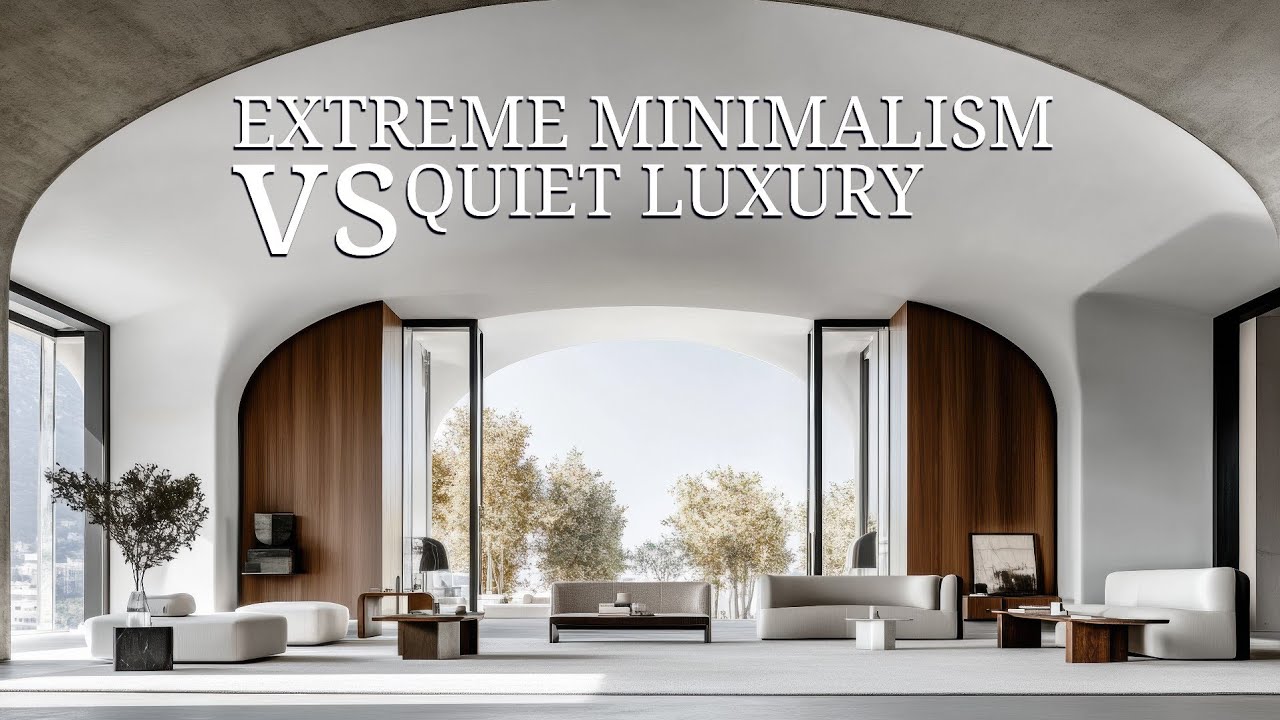
C. The Unspoken Rules: A Framework for Mastering the Aesthetic
Adopting a quiet luxury mindset requires a shift in how you approach your entire wardrobe and lifestyle. It is a holistic practice built on several key rules.
A. Fit is Paramount: The Foundation of Elegance
The single most important element of quiet luxury is impeccable fit. An expensive, beautifully crafted garment that fits poorly will look cheap, while a modest, well-tailored piece will look expensive.
-
Actionable Insight: Find a trusted tailor. Be prepared to alter nearly every off-the-rack purchase. Key areas for attention include sleeve and trouser length, waist suppression on jackets, and the shoulder seam alignment.
B. Fabric is King: The Language of Quality
Learn to read the language of textiles. Quiet luxury prioritizes natural, high-quality materials that feel as good as they look.
-
Essential Fabrics:
-
Cashmere: Look for multi-ply or 2-ply cashmere from renowned regions like Mongolia or Scotland for superior durability and softness.
-
Supima or Egyptian Cotton: These long-staple cottons create a smoother, stronger, and more lustrous fabric than standard cotton.
-
Linen: Embrace its wrinkles; they are a sign of its natural, breathable quality.
-
Merino Wool: A versatile, fine wool perfect for all-season wear.
-
Silk Twill or Charmeuse: Luxurious for accessories and blouses, prized for its smooth drape.
-
C. Color Palette as a Strategic Tool
Quiet luxury wardrobes are built on a foundation of neutral, versatile, and timeless colors. These shades are inherently sophisticated and allow for effortless mix-and-match.
-
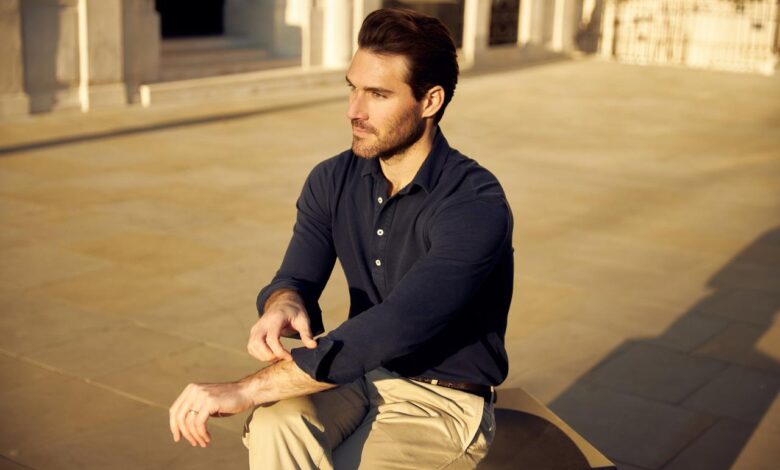
Core Colors: Navy, charcoal grey, camel, beige, cream, white, black, and olive green.
-
Strategic Implementation: Use this neutral base as your canvas. A single, well-chosen item in a richer color (like burgundy, forest green, or a deep cobalt blue) can then serve as a powerful focal point.
D. Silhouette Over Embellishment
Focus on classic, clean silhouettes that flatter the body without being trendy. The goal is a timeless elegance that transcends seasonal fluctuations.
-
Wardrobe Cornerstones:
-
A perfectly tailored blazer or sports coat.
-
Well-cut trousers in wool or high-quality cotton.
-
A simple, elegant cashmere or fine wool sweater.
-
A crisp, white poplin or broadcloth shirt.
-
A little black dress made from a substantial fabric.
-
E. The Power of “The One Percent” Detail
Since logos are absent, the details become the signature. These are the subtle hints of quality that the discerning eye will notice.
-
Examples: Mother-of-pearl buttons instead of plastic. Hand-stitched buttonholes. Exquisite leather lining inside a bag. The specific drape of a fabric. The weight and feel of a zipper pull.
D. The Brands: From The Obscure to The Mainstream
While the goal is not to be brand-centric, understanding the players in this space is instructive. They can be categorized into distinct tiers.
A. The Vanguard (Ultra-Discreet, Artisanal): These brands are often unknown to the general public but revered by connoisseurs. They are the epitome of quiet luxury.
-
Brunello Cucinelli: The “King of Cashmere.” Focuses on extraordinary fabric and impeccable manufacturing in Solomeo, Italy. Its branding is virtually invisible.
-
Loro Piana: Renowned for its world-leading expertise in rare, precious wools like Baby Cashmere and Lotopus. The ultimate in understated, technical luxury.
-
Lardini: An Italian family-owned company known for its masterful outerwear and use of luxurious fabrics, with a signature rosette often the only decoration.
B. The Accessible Purists (High-Quality, Minimal Branding): These brands offer a more accessible entry point while adhering to the core principles.
-
The Row: Founded by Mary-Kate and Ashley Olsen, it has become a modern benchmark for quiet luxury. Architectural cuts, luxurious fabrics, and zero visible logos define the brand.
-
Bottega Veneta: Under former creative director Daniel Lee, it famously abandoned logos and became synonymous with “new stealth wealth” through its innovative intrecciato leatherwork.
-
Totême: A Swedish brand that has mastered the art of the uniform, creating timeless, modular wardrobe pieces with a distinct, cool elegance.
C. The Quiet Offerings of Legacy Brands: Even traditionally logo-heavy houses have recognized this shift and created discreet lines.
-
Hermès: While its Birkins and Kellys are status symbols, the brand’s true quiet luxury lies in its ready-to-wear, silk twill scarves (often worn without the logo showing), and leather goods without obvious hardware.
-
Ralph Lauren Purple Label: The apex of the Ralph Lauren empire, offering supremely tailored clothing with minimal branding, focusing on fabric and cut.
E. Curating Your Quiet Luxury Lifestyle
This philosophy extends far beyond clothing. It is a holistic approach to living that values experience, quality, and discretion.
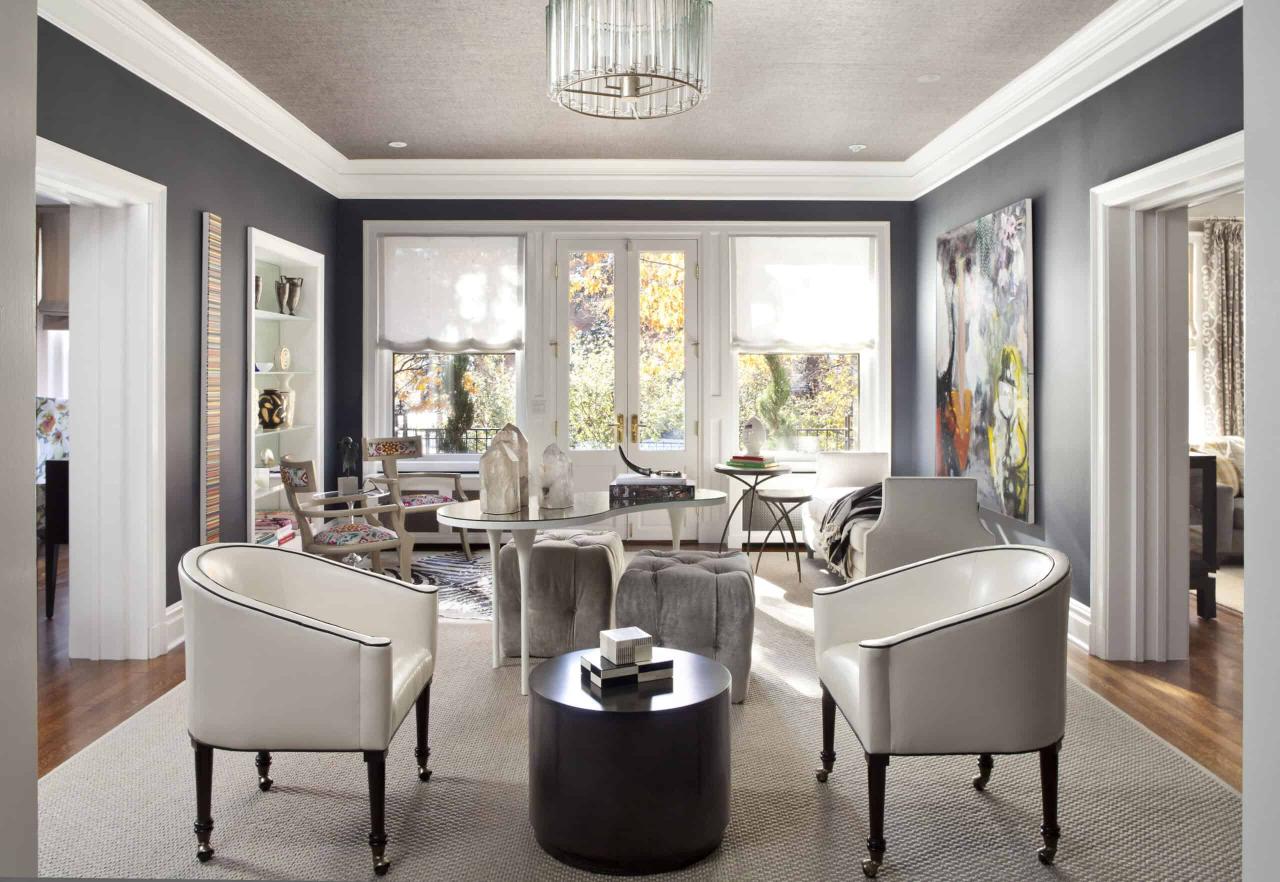
A. The Home: Furnish your space with heirloom-quality furniture, fine linens, and art that has personal meaning. Choose quality over quantity, investing in pieces that will last generations. The aesthetic is often one of curated minimalism or cozy, layered elegance.
B. Travel: Quiet luxury in travel means avoiding crowded, flashy resorts. It seeks out understated, boutique hotels known for impeccable service, architectural integrity, and deep local immersion. It’s about privacy and authentic experience over Instagrammable hotspots.
C. Grooming and Well-being: The focus is on maintenance and health rather than dramatic, trendy procedures. Investing in high-quality, effective skincare, a consistent fitness regimen, and excellent nutrition are the cornerstones. The goal is to look well-rested, healthy, and groomed, not artificially enhanced.
D. Experiences Over Possessions: True quiet luxury often redirects expenditure from goods to experiences. This includes private tutoring for children, memberships to exclusive but unadvertised clubs, philanthropic endeavors, and unique travel adventures that offer personal growth and connection.
F. The Pitfalls and How to Avoid Them
As this aesthetic gains popularity, it is susceptible to being co-opted and misunderstood.
A. The “Quiet Luxury” Trend Cycle: Fast-fashion retailers are now quickly producing copies of quiet luxury silhouettes in poor-quality materials. The danger is that the aesthetic becomes another disposable trend, which is antithetical to its very purpose. The solution is to stay true to the principle of investment buying.
B. Inauthentic Adoption: Simply buying beige head-to-toe does not constitute quiet luxury. Without an understanding of fit, fabric, and the underlying philosophy, the result can look bland and uninspired, lacking the confidence that gives the style its power.
C. The New Snobbery: There is a risk of the quiet luxury community developing its own form of elitism, looking down upon those who enjoy more expressive or branded fashion. True elegance includes grace and the avoidance of judgment.
Conclusion: The Enduring Allure of the Unspoken
Quiet luxury is more than a dress code; it is a mindset of confidence, discernment, and intentionality. It is a long game, requiring patience to build a curated wardrobe and lifestyle piece by piece. In a noisy world, it offers a sanctuary of calm and self-possession. It proves that the most powerful statements are often made in a whisper, that the highest form of status is the freedom to dress for oneself, and that true value lies not in the logo on the outside, but in the integrity and craftsmanship within. By mastering its unspoken rules, you invest not just in clothing, but in a lasting legacy of style.
Tags: quiet luxury, stealth wealth, old money aesthetic, minimalist style, investment dressing, luxury fashion, sustainable fashion, capsule wardrobe, Brunello Cucinelli, Loro Piana, The Row, timeless style, sophisticated fashion, discreet branding
Category: Fashion & Style