
The narrative of Artificial Intelligence (AI) has, for the past decade, been dominated by a few key players: social media algorithms, digital assistants, and the promise of self-driving cars. While these are monumental achievements, a new and arguably more impactful frontier is rapidly emerging, poised to become the next billion-dollar vertical in the AI landscape. This is not a single product but a fundamental rewiring of one of humanity’s oldest and most vital industries: Agriculture.
We are at the dawn of the “Agri-Tech Intelligence” revolution, where AI is transitioning from a back-office analytics tool to the central nervous system of our global food supply chain. This vertical represents a convergence of existential necessity and technological possibility. With a global population projected to reach nearly 10 billion by 2050, coupled with the escalating pressures of climate change, water scarcity, and arable land degradation, the mandate for a smarter, more resilient agricultural system has never been clearer. AI is the key that unlocks this future, moving us from precision agriculture to what can truly be termed “predictive” and “prescriptive” agriculture.
This in-depth analysis will explore why AI in agriculture is the next commercial gold rush, dissect its core technological pillars, identify the key players and business models, and confront the significant challenges that must be overcome to feed the future.
A. The Perfect Storm: Why Agriculture is AI’s Inevitable Frontier
The immense potential of AI in agriculture, often called “Agri-Tech” or “AgAI,” is driven by a powerful confluence of pressures and opportunities.
A. The Demographic and Food Security Imperative: The United Nations estimates that to feed a population of 9.7 billion people, global food production must increase by approximately 60-70%. This cannot be achieved through traditional farming methods, which are already straining under current demands. AI offers the only viable path to the “sustainable intensification” required—producing more food from the same or fewer resources.
B. The Escalating Climate Crisis: Erratic weather patterns, prolonged droughts, and unpredictable frosts are devastating crops with increasing frequency. AI-powered climate resilience models can analyze decades of weather data to predict these events, allowing farmers to take preemptive action, such as adjusting planting schedules or applying protective measures, thereby mitigating losses.
C. Mounting Economic Pressures on Farmers: Farmers operate on razor-thin margins, facing volatile commodity prices and rising costs for inputs like fuel, fertilizers, and pesticides. AI-driven efficiency is not a luxury but a financial necessity for survival. By optimizing every input, AI directly boosts profitability and economic stability for one of the world’s most critical professions.
D. The Proliferation of Cost-Effective Hardware: The advent of affordable sensors, drones, autonomous tractors, and satellite imagery has created a massive, real-time data stream from the field. AI is the brain that makes sense of this data, transforming raw information into actionable intelligence. This hardware-software synergy is what makes modern Agri-Tech possible.
B. The Core Pillars of AI-Driven Agriculture
The AI revolution in farming is not a single application but a suite of interconnected technologies that are transforming every stage of the cultivation lifecycle.
A. Predictive Analytics and Yield Modeling: At the heart of Agri-Tech lies the power of prediction.
-
How it Works: Machine learning algorithms analyze terabytes of historical data—including soil chemistry, past yield maps, weather patterns, and satellite imagery—to build highly accurate models of future crop performance.
-
Business Impact: This allows for precise forecasting of harvest volumes, which is crucial for supply chain management, commodity trading, and financial planning. It also helps identify underperforming sections of a field for targeted intervention.
B. Precision Farming and Variable Rate Technology (VRT): This moves farming from a blanket approach to a hyper-localized one.
-
How it Works: AI algorithms process data from drones and satellites to create high-resolution maps of a field, identifying variations in soil health, moisture levels, and pest presence. This data then directs automated machinery (tractors, sprayers) to apply water, fertilizers, and pesticides at variable rates across the field.
-
Business Impact: This leads to dramatic reductions in input costs (up to 30-40% in some cases), minimized environmental runoff, and improved crop health by giving each plant exactly what it needs.
C. Automated Weeding and Pest Control: This addresses two of the most labor-intensive and chemically dependent aspects of farming.
-
How it Works: Computer vision systems, mounted on autonomous robots or drones, are trained to distinguish between crops and weeds with millimeter accuracy. Upon identification, they can deploy a precise micro-dose of herbicide or even use laser or mechanical means to eliminate the weed without affecting the crop.
-
Business Impact: This reduces herbicide use by over 90%, lowers labor costs, and enables organic farming at a commercial scale. Similar systems are being developed to identify and target specific crop diseases and insect pests.
D. Intelligent Irrigation and Water Management: In a world of increasing water scarcity, this is perhaps the most critical application.
-
How it Works: AI systems integrate data from in-ground soil moisture sensors, weather forecasts, and evapotranspiration rates to determine the exact water needs of a crop down to the square meter. They then automatically control irrigation systems to deliver the optimal amount of water at the optimal time.
-
Business Impact: This can reduce water consumption by 20-50%, a monumental saving that directly preserves a vital resource and reduces energy costs for pumping.
E. Agricultural Robotics (AgBots): The physical manifestation of AI in the field.
-
How it Works: Autonomous tractors can plow and plant 24/7 with sub-inch GPS accuracy. Harvesting robots use advanced vision systems to identify ripe fruits (like strawberries or apples) and gently pick them without bruising. Drone swarms can plant seeds or apply pesticides over vast areas in hours.
-
Business Impact: This solves the critical and growing problem of labor shortages in agriculture, increases operational efficiency, and reduces the time-sensitive risks associated with harvesting.
C. The Emerging Ecosystem: Key Players and Business Models
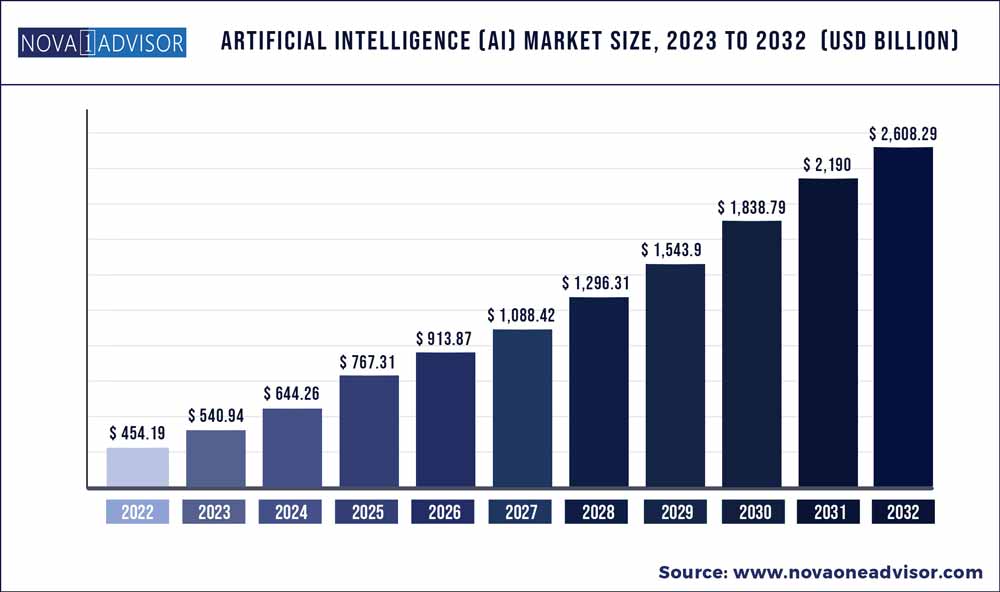
The Agri-Tech intelligence vertical is attracting a diverse range of players, from legacy giants to nimble startups, all vying for a piece of this billion-dollar pie.
A. The Legacy Agribusiness Titans: Companies like John Deere, Bayer, and Corteva are aggressively acquiring AI startups and embedding intelligence into their traditional products. John Deere’s strategy of “smart industrial” equipment, featuring its See & Spray technology, is a prime example of a hardware company transforming into a data and AI company.
B. Pure-Play Agri-Tech Startups: A vibrant startup ecosystem is flourishing. Companies like:
-
Indigo Ag: Focuses on microbial and digital solutions to improve crop health and sustainability.
-
Farmers Business Network (FBN): Creates a data-driven platform for farmers to share information and access analytics on seed performance and input prices.
-
Plenty: Uses AI and robotics to run vertical indoor farms that yield hundreds of times more produce per square foot than traditional farms.
C. Big Tech’s Strategic Foray: Google, IBM, and Microsoft are leveraging their cloud computing and AI platforms to power the Agri-Tech revolution. IBM’s Watson Decision Platform for Agriculture and Microsoft’s Azure FarmBeats are providing the essential infrastructure and AI tools upon which specialized applications are built.
D. Prevalent Business Models:
-
Software-as-a-Service (SaaS): Subscription fees for access to predictive analytics platforms.
-
Platform-as-a-Service (PaaS): Providing the underlying AI and data infrastructure for other developers.
-
Equipment-as-a-Service (EaaS): Leasing or subscribing to AI-powered robots and autonomous machinery.
-
Outcome-Based Models: A nascent but powerful model where the service provider (e.g., an AI analytics company) takes a share of the demonstrable yield increase or input cost savings they generate for the farmer.
![AI in Construction Market Size, Share & Industry Report [2032]](https://fbi-reports-file.s3.us-west-2.amazonaws.com/fbi_l/img/featured_images/ai_in_construction_market.webp)
D. The Inevitable Hurdles on the Path to Adoption
Despite its immense promise, the widespread adoption of Agri-Tech intelligence faces significant, non-trivial challenges.
A. The High Capital Investment Barrier: The cost of sensors, drones, automated machinery, and software subscriptions is prohibitive for many smallholder farmers who produce a significant portion of the world’s food. Creative financing and leasing models are essential for inclusive growth.
B. Data Privacy and Ownership Concerns: The data generated from a farm—soil health, yield, practices—is incredibly valuable. Farmers are rightly concerned about who owns this data, how it is used, and whether it could be sold to commodity traders who might use it against them. Clear data governance and ownership frameworks are critical.
C. Digital Literacy and Cultural Resistance: Farming is a tradition steeped in generational knowledge and intuition. Convincing farmers to trust a “black box” algorithm over a lifetime of experience is a major hurdle. User-friendly interfaces and demonstrable, tangible ROI are key to overcoming this skepticism.
D. Connectivity and Infrastructure Gaps: Advanced AI applications require robust, high-bandwidth internet connectivity, which is often lacking in rural agricultural areas worldwide. The success of Agri-Tech is, in part, tied to the global rollout of 5G and satellite internet (like Starlink).
E. Algorithmic Bias and Reliability: If an AI model is trained on data from large, monoculture farms in North America, it may perform poorly on small, diverse farms in Southeast Asia or Sub-Saharan Africa. Ensuring these systems are trained on diverse, globally representative datasets is vital to prevent exacerbating global inequalities.
E. The Future Harvest: Predictions for the Next Decade
The evolution of AI in agriculture is just beginning. The next decade will see even more profound transformations.
A. The Rise of the Fully Autonomous Farm: We will see the first commercially viable, “hands-off” farms where the entire cycle—from soil preparation and planting to weeding, irrigation, and harvesting—is managed by a coordinated fleet of autonomous robots and drones, overseen by a single farm manager using a central AI platform.
B. Generative AI for Crop and Chemical Design: Just as Generative AI designs new drugs and materials, it will be used to design entirely new crop varieties optimized for specific climate conditions or nutritional profiles. It will also accelerate the discovery of biological, eco-friendly pesticides and fertilizers.
C. Blockchain-Enabled Food Traceability: AI, combined with blockchain, will create an immutable, transparent record of a food product’s journey from seed to supermarket. Consumers will be able to scan a QR code to see the farm’s sustainability metrics, carbon footprint, and harvest date, building immense trust and value.
D. AI-Powered Climate-Resilient Crops: AI models will simulate the effects of various climate scenarios on thousands of plant genotypes, allowing scientists to rapidly breed crops that are inherently resistant to drought, heat, and salinity.
Conclusion: Sowing the Seeds of a Smarter Future
The next billion-dollar vertical in AI is not found in the virtual realms of the metaverse or the sleek interfaces of consumer apps. It is rooted in the earth, in the fundamental human need for sustenance. AI in agriculture represents a paradigm shift from a reactive, resource-intensive industry to a proactive, data-driven, and sustainable ecosystem.
The companies, investors, and innovators who recognize this potential are not merely chasing a market opportunity; they are participating in a moral imperative to future-proof our global food system. The harvest from this technological sowing will be measured not just in billions of dollars, but in billions of lives nourished, ecosystems preserved, and a planet made more resilient. The future of food is intelligent, and that intelligence is artificial.
Tags: AI in agriculture, precision farming, AgriTech, sustainable farming, agricultural robotics, farm management software, predictive analytics, climate smart agriculture, food security, vertical farming, drone technology, smart irrigation, John Deere, farm data
Category: Technology