
The landscape of talent acquisition has undergone a radical and silent transformation. Gone are the days of simply posting a job advertisement and sifting through a mountain of applications. Today, a more subtle, complex, and strategic conflict is being waged—a Covert War for Talent. This is not a battle fought on job boards, but in the nuanced realms of company culture, employee experience, and strategic foresight. It’s a war where the best candidates are often not actively looking, and the most successful companies are not just hiring, but constantly curating and captivating.
This covert war is defined by a fundamental power shift. With the rise of remote work, the globalization of the talent pool, and a generational reprioritization of values over paychecks, the most skilled individuals now hold unprecedented leverage. They are the targets of a sophisticated, multi-front campaign where traditional recruitment is merely the final, overt maneuver. This in-depth guide will dissect the forces driving this hidden conflict, reveal the strategies used by winning organizations, and provide a actionable blueprint for building a talent magnet that ensures long-term victory.
A. Understanding the Battlefield: The New Rules of Engagement
The covert war for talent is fought under a new set of rules, shaped by profound macroeconomic and social shifts.
A. The Power of the Passive Candidate: The most coveted professionals are typically passive candidates—highly skilled, employed, and not actively seeking a new role. They represent over 70% of the global workforce. The challenge is not to assess their application, but to first identify them, then pique their interest, and finally, lure them away from a comfortable position.
B. The Rise of the “Skills Economy”: The value of a traditional degree is being rivaled, and in some sectors surpassed, by demonstrable skills. Companies are fighting for specific capabilities—AI prompt engineering, data storytelling, cloud security architecture—rather than just a job title. This shifts the focus from credentials to proven competency and potential.
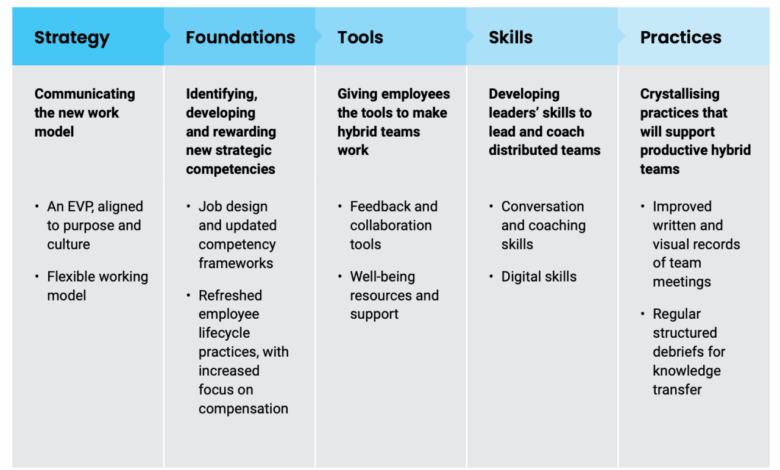
C. The Permanence of Flexibility: The pandemic irrevocably proved that for knowledge workers, location is no longer a prerequisite for productivity. The war for talent is now a global one. A company in Silicon Valley is no longer competing just with its neighbor; it’s competing with a fully remote startup in Lisbon or a tech giant in Singapore. Hybrid and remote work models have become a non-negotiable weapon in the talent arsenal.
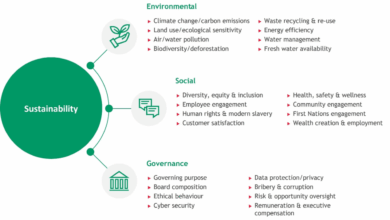
D. The Values-Driven Employee: Modern professionals, particularly Millennials and Gen Z, seek more than a paycheck. They are evaluating potential employers based on their Environmental, Social, and Governance (ESG) commitments, diversity and inclusion metrics, ethical stance, and overall purpose. A company’s brand is now intrinsically linked to its ability to attract talent.
B. The Arsenal of Victory: Key Strategies for the Covert War
Winning this war requires a move beyond transactional HR to a holistic, marketing-driven approach to talent. It’s about building a magnetic employer brand that attracts candidates before a job is even available.
A. Building an Irresistible Employer Brand:
Your employer brand is the narrative you craft about what it’s like to work at your company. It’s your most powerful recruitment asset.
-
Actionable Insight: Showcase your culture authentically. Use social media, particularly LinkedIn, Instagram, and TikTok, to highlight employee stories, team events, social impact initiatives, and “a day in the life” content. Let your employees be your brand ambassadors.
B. Mastering the Art of Talent Sourcing and Relationship Cultivation:
This is the proactive heart of the covert war. It involves building a pipeline of potential candidates long before a need arises.
-
Actionable Insight:
-
Leverage Data-Driven Tools: Use platforms like LinkedIn Recruiter, SeekOut, and AmazingHiring to identify passive candidates based on specific skill sets, project experience, or published work.
-
Establish a Talent Community: Create a space—a dedicated newsletter, a Slack channel, a webinar series—where interested professionals can engage with your company’s thought leadership without applying for a job. Nurture these relationships consistently.
-
Empower Employee Referral Programs: Your best employees often have networks filled with other high-performers. A structured, well-incentivized referral program is one of the most effective and cost-efficient sourcing channels.
-
C. Architecting a Superior Candidate Experience:
The application and interview process is a preview of your company’s culture. A cumbersome, opaque, or disrespectful process will repel top talent.
-
Actionable Insight:
-
Streamline Application: Ditch the long, complex forms. Allow for easy apply options with LinkedIn profiles.
-
Communicate Transparently: Set clear expectations for the process and timeline. Provide constructive feedback to all candidates, even those you reject. A rejected candidate today could be a perfect fit tomorrow or a valuable customer.
-
Respect Their Time: Conduct efficient, well-organized interviews. Ensure every interviewer is prepared and that the candidate isn’t asked the same question multiple times.
-
D. Crafting a Value Proposition That Transcends Salary:
While competitive compensation is table stakes, the winning offer encompasses a holistic package tailored to the individual’s aspirations.
-
Key Components:
-
Radical Flexibility: Offer choices in work location, hours, and working styles.
-
Unbundled Career Paths: Provide opportunities for lateral moves, project-based work, and “tours of duty” in different departments, not just a linear climb up the corporate ladder.
-
Investments in Growth: Offer substantial learning and development budgets, access to conferences, mentorship programs, and clear paths for skill acquisition.
-
Comprehensive Well-being Support: Go beyond basic health insurance. Offer mental health days, subscriptions to wellness apps, financial planning services, and generous parental leave policies.
-
C. The New Frontline: Retention as the Ultimate Strategy
The most covert aspect of this war is that it doesn’t end with a signed offer letter. The cost of losing a star employee and having to re-enter the battle is astronomically high. Therefore, retention is the most sophisticated form of recruitment.
A. Fostering a Culture of Purpose and Impact:
Employees need to see how their work contributes to the company’s larger mission. They crave meaning.
-
Actionable Insight: Leaders must consistently communicate the “why” behind the work. Create direct lines of sight between individual tasks and company-wide goals. Celebrate wins that align with your core values.
B. Implementing Agile Performance Management:
The annual review is dead. It is a relic of a slower, less personal era.
-
Actionable Insight: Shift to a model of continuous feedback. Implement regular (e.g., weekly or bi-weekly) one-on-one meetings focused on growth, roadblocks, and career aspirations. Use tools like 15Five or Lattice to facilitate ongoing conversations.
C. Championing Internal Mobility:
The best talent often leaves a company not for a new industry, but for a new challenge. If you don’t provide growth opportunities internally, your competitors will.
-
Actionable Insight: Create an internal talent marketplace where employees can explore short-term projects, “gigs” in other teams, and full-time internal roles. This signals that you are invested in their long-term career, not just their current function.
D. Conducting Strategic “Stay Interviews”:
Don’t wait for an exit interview to discover why someone is unhappy. Proactively ask your top performers what keeps them engaged and what could potentially entice them away.
-
Actionable Insight: During one-on-ones, ask questions like: “What do you look forward to when you come to work?” “What’s one thing that would make your job better?” “What would you change about your role if you could?”
D. The Generational Divide: Tailoring Your Approach
A one-size-fits-all strategy is a recipe for failure in the covert war. Understanding the primary motivators of different generational cohorts is crucial.
A. Engaging Generation Z:
This digitally-native cohort values authenticity, diversity, and stability.
-
Key Tactics: Provide clear structure and rapid feedback. Offer robust learning platforms and demonstrate a genuine commitment to social justice and sustainability. Leverage video and social media in your outreach.
B. Motivating Millennials:
Now the largest cohort in the workforce, they are hitting their peak leadership years.
-
Key Tactics: Offer flexibility and work-life integration. Provide clear paths to leadership and opportunities for mentorship (both as mentees and mentors). Highlight your company’s purpose and impact.
C. Retaining Generation X:
Often the bridge between generations, they value autonomy and recognition.
-
Key Tactics: Offer project-based leadership opportunities. Provide financial wellness programs as they plan for retirement. Acknowledge their deep institutional knowledge and empower them to share it.

E. The Future Battleground: AI, Data, and Predictive Analytics
The next phase of the covert war will be dominated by technology that provides a strategic edge.
A. AI-Powered Talent Analytics: AI can scan thousands of data points to predict which candidates are most likely to succeed in a role and which current employees are at high risk of attrition, allowing for preemptive intervention.
B. Skills Mapping and Adjacency Analysis: Advanced software can map the entire skillset of your organization and identify skill “adjacencies”—allowing you to see, for example, that a marketing manager with strong data analysis skills could be reskilled for a product management role, solving a critical talent gap from within.
C. The Hyper-Personalized Employee Experience: Just as Netflix recommends movies, future HR platforms will use AI to curate personalized learning recommendations, career paths, and well-being resources for each individual employee, creating an insurmountable barrier to exit.
Conclusion: From Transaction to Transformation
The covert war for talent is a permanent feature of the modern business landscape. It cannot be won with a single hiring spree or a revised compensation plan. Victory belongs to the organizations that understand this is a continuous, strategic endeavor rooted in culture, experience, and foresight.
The companies that will emerge triumphant are those that stop thinking of people as “human resources” to be managed and start seeing them as “talent investors” to be nurtured. They build ecosystems where people choose to stay and contribute their best work, thereby becoming the most powerful recruitment magnet for the next generation of talent. In this covert war, the ultimate victory is not just in hiring the best people, but in creating an environment where the best people choose to build their legacy.
Tags: talent acquisition, war for talent, employer branding, recruitment strategies, employee retention, human resources, HR tech, talent management, passive candidates, company culture, employee experience, future of work, talent pipeline, HR analytics
Category: Business & Careers